Written by Jen Tietjen, Pediatric Nurse Practitioner, Certified Gentle Sleep Coach, and Founder of Your Village STL
Your Village STL supports families through the early years of parenting with a whole-child approach to development, wellness, and family support.
The best sensory toys match how your child takes in the world. A child who craves movement and pressure needs different toys than a child who covers their ears in a noisy room or avoids certain textures. Start by noticing what your child seeks out or avoids, then choose toys that offer the kind of sensory input that feels comfortable and helpful.
You do not need to buy an entire collection of specialized toys to support your child's sensory needs. A few thoughtful choices can create opportunities for exploration, movement, play, and regulation.
Key Takeaways
- The best sensory toys match your child's individual sensory preferences.
- Some children seek movement, touch, or pressure, while others avoid certain sensations.
- Sensory toys can support exploration, play, and self-regulation.
- Choose toys that match your child's age, abilities, and safety needs.
- Children with autism and children without an autism diagnosis can both benefit from sensory play.
- An occupational therapist can help identify which types of sensory activities may be useful.
Table of Contents
- What Are Sensory Toys?
- How Do Sensory Toys Help Kids?
- How Do You Identify Your Child's Sensory Needs?
- Which Sensory Toys Match Different Sensory Systems?
- What Is the Difference Between Calming and Alerting Toys?
- How Do You Choose Sensory Toys as Gifts?
- Frequently Asked Questions
What Are Sensory Toys?
Sensory toys are toys and play materials that engage one or more of a child's senses, including touch, sight, sound, taste, smell, movement, and body awareness. These toys give children opportunities to explore different sensations through hands-on experiences.
You may already have sensory toys in your home without realizing it. Play dough, building blocks, musical instruments, water tables, textured balls, and stacking cups can all provide different types of sensory input.
Some toys are designed specifically for children who have sensory preferences or challenges. Examples include:
- Fidget toys: Small objects children can squeeze, stretch, twist, or manipulate.
- Textured toys: Balls, blocks, and play materials with different surfaces.
- Movement toys: Mini trampolines, balance boards, and rocking toys.
- Oral sensory toys: Age-appropriate teethers and chewable sensory tools.
- Sound toys: Musical instruments, rattles, and toys that make gentle sounds.
- Visual toys: Light-up toys, bubbles, and objects with interesting colors or patterns.
Sensory toys are not just for children with autism or a diagnosed sensory processing difficulty. Many typically developing toddlers and young children enjoy sensory play as part of learning about their surroundings.
How Do Sensory Toys Help Kids?
Sensory toys help children explore their surroundings, practice developmental skills, and discover different ways to interact with the world. For some children, the right sensory activities may also make experiences feel more manageable.
Think about a toddler who constantly squeezes couch cushions, jumps on the floor, or crashes into soft pillows. These activities may be ways of seeking movement and body feedback. A toy that offers a safe opportunity for that kind of play may give the child another way to explore those sensations.
Sensory play can support several areas of development:
- Fine motor skills: Squeezing, stacking, pinching, and manipulating toys strengthen hand coordination.
- Gross motor skills: Climbing, jumping, balancing, and pushing encourage whole-body movement.
- Problem-solving: Building toys, puzzles, and cause-and-effect activities encourage exploration.
- Body awareness: Pushing, pulling, and carrying objects help children learn how their bodies move.
- Emotional regulation: Familiar sensory activities may help some children manage overwhelming moments or settle into a routine.
Research also helps explain why sensory differences deserve attention. A published meta-analysis examining sensory modulation symptoms in individuals with autism found significant differences in the frequency of sensory symptoms between autistic and comparison groups.
However, sensory preferences are not identical from one child to another. A toy that helps one child feel comfortable may be distracting or unpleasant for another. The goal is to understand your child's individual experience rather than expect every sensory toy to have the same effect.
How Do You Identify Your Child's Sensory Needs?
You can begin identifying your child's sensory needs by observing what they naturally seek out, avoid, and return to during everyday activities. These patterns often provide helpful clues about the types of toys and experiences your child may enjoy.
Start by paying attention during ordinary moments at home, daycare, and in the community. You do not need a formal assessment to notice that your child loves jumping, avoids loud sounds, or becomes uncomfortable when their hands get messy.
Look for patterns such as:
- Your child seeks movement or pressure. Does your child jump on furniture, spin, crash into cushions, or constantly move around? Your child may enjoy activities that provide movement or body feedback.
- Your child avoids certain textures. Does your child dislike finger painting, sand, grass, or sticky materials? Your child may prefer toys with predictable textures or opportunities to explore new materials gradually.
- Your child is sensitive to sounds. Does your child cover their ears around vacuum cleaners, hand dryers, or loud toys? Quieter play options may be a better starting point.
- Your child enjoys looking at lights or movement. Does your child watch spinning objects, bubbles, or moving toys for long periods? Visual sensory toys may capture their interest.
- Your child frequently chews on objects. Does your child put toys, clothing, or household items in their mouth? Age-appropriate oral sensory toys may offer a safer alternative, depending on the child's age and developmental needs.
Remember that a child's preferences can change depending on the environment, activity, and time of day. A child who enjoys noisy, active play in the morning may want quieter activities when tired.
If sensory preferences interfere with eating, sleeping, dressing, playing, or participating in everyday activities, pediatric occupational therapy can help you understand what may be happening and identify practical strategies.
Which Sensory Toys Match Different Sensory Systems?
The best sensory toys depend on which sensory systems your child enjoys engaging and which experiences may feel overwhelming. Looking at sensory needs by system can make choosing toys much easier.
Here are some examples to consider.
Touch (Tactile Sensory Toys)
Tactile sensory toys engage the sense of touch through different textures, temperatures, and materials. These toys can be especially interesting for children who enjoy exploring objects with their hands.
Examples include:
- Textured balls and sensory blocks
- Play dough and modeling clay
- Water play tables
- Soft stuffed animals
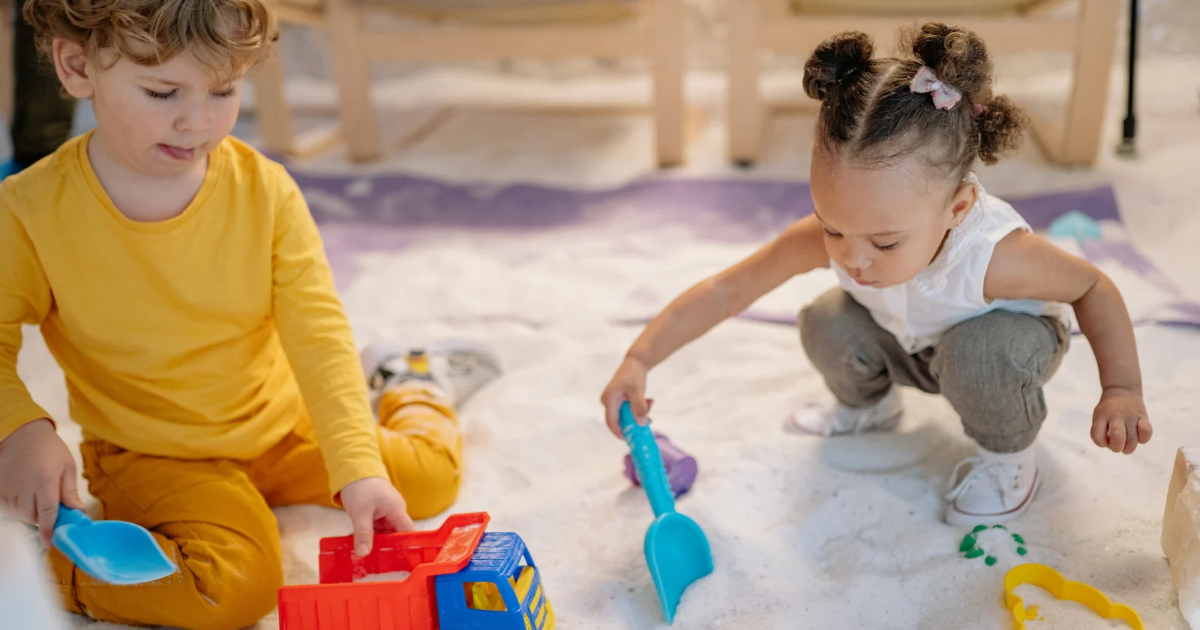
- Sensory bins with age-appropriate materials
- Fabric squares with different textures
If your child avoids messy play, start with materials that feel comfortable. There is no need to force a child to touch something that feels unpleasant.
Movement (Vestibular Sensory Toys)
Vestibular sensory toys engage the body's balance and movement system. Children who enjoy spinning, swinging, rocking, or jumping may find movement-based activities especially interesting.
Examples include:
- Rocking toys
- Age-appropriate swings
- Balance boards
- Small indoor trampolines designed for children
- Ride-on toys
- Gentle rocking chairs
Movement activities should always match your child's developmental abilities and require appropriate supervision. If your child becomes dizzy, uncomfortable, or overly excited, pause the activity.
Body Awareness (Proprioceptive Sensory Toys)
Proprioception is your body's ability to understand where it is and how it is moving. Activities involving pushing, pulling, lifting, and squeezing can provide this type of body feedback.
Examples include:
- Soft resistance toys
- Play tunnels
- Push-and-pull toys
- Building blocks
- Age-appropriate climbing equipment
- Large pillows for supervised obstacle courses
You can also incorporate simple activities into daily play. Carrying lightweight toys, pushing a laundry basket, or helping move soft cushions can provide opportunities for whole-body movement.
Sound (Auditory Sensory Toys)
Auditory sensory toys engage a child's sense of hearing through music, rhythm, and different sounds. Some children love musical activities, while others prefer quieter toys.
Examples include:
- Musical shakers
- Small drums
- Xylophones
- Gentle sound puzzles
- Soft rattles
- Musical toys with adjustable volume
If your child is sensitive to sound, choose toys without sudden or unpredictable noises. Volume control can make musical play more comfortable.
Sight (Visual Sensory Toys)
Visual sensory toys capture a child's attention through colors, patterns, movement, and light. These toys can encourage observation, exploration, and cause-and-effect learning.
Examples include:
- Bubbles
- Colorful stacking toys
- Light-up toys with gentle settings
- Spinning tops
- Patterned blocks
- Liquid motion timers
Watch how your child responds to visual stimulation. Some children enjoy bright, moving objects, while others prefer simple toys with fewer visual distractions.
Oral Sensory Toys
Oral sensory toys provide opportunities for children who enjoy chewing or exploring objects with their mouths. This is particularly relevant for babies and toddlers who naturally use their mouths to investigate their surroundings.
Examples include:
- Age-appropriate silicone teethers
- Textured teething toys
- Infant-safe chew toys
- Developmentally appropriate oral sensory tools
Always follow the manufacturer's age recommendations and inspect toys for damage. Avoid small pieces, loose parts, and anything that could become a choking hazard. If your child frequently chews nonfood objects, discuss this with your pediatric provider or occupational therapist.
What Is the Difference Between Calming and Alerting Toys?
Calming sensory toys generally offer predictable, comfortable experiences, while alerting sensory toys provide more active or stimulating input. However, the same toy can affect children differently depending on their individual sensory preferences.
Calming sensory toys may be helpful when a child wants a quieter activity or enjoys predictable sensations. Examples include:
- Soft stuffed animals
- Gentle sensory bottles
- Soft textured toys
- Simple puzzles
- Quiet fidget toys
- Familiar books with interactive textures
Alerting sensory toys offer opportunities for movement, exploration, and active play. Examples include:
- Bubbles
- Musical instruments
- Building toys
- Push-and-pull toys
- Movement-based play equipment
- Toys with interesting cause-and-effect features
Neither type is automatically better. A child who loves music may find a musical toy calming, while another child may find the same toy overwhelming.
Pay attention to what happens after your child plays with a particular toy. Does your child seem more comfortable and engaged, or does the activity lead to frustration or overstimulation? Your child's response is more useful than a label on the toy's packaging.
How Do You Choose Sensory Toys as Gifts?
The best sensory toys for gifts are age-appropriate, safe, interesting to the child, and suited to the child's individual preferences. You do not need to choose an expensive specialty toy to give a meaningful gift.
If you are holiday shopping for a toddler or young child, start with what you already know about their interests and play habits.
Consider these ideas:
- For children who love movement: Look for age-appropriate rocking toys, ride-on toys, or soft climbing equipment.
- For children who enjoy textures: Consider play dough, textured balls, or supervised sensory play materials.
- For children who love building: Choose large blocks, stacking cups, or simple construction toys.
- For children who enjoy music: Consider child-friendly instruments with manageable volume.
- For children who like quiet activities: Look for simple puzzles, soft toys, or interactive books.
- For children who explore with their mouths: Consider age-appropriate teethers or oral sensory toys designed for the child's developmental stage.
Safety should always come before sensory benefits. Check age recommendations, avoid small detachable pieces for children who still mouth objects, and supervise activities involving water, loose materials, or movement equipment.
Most importantly, remember that a sensory toy should be enjoyable for the child. A gift does not need to correct a behavior, teach a specific skill, or produce a particular response to be worthwhile.
Sometimes the best gift is simply something that lets your child play in a way that feels natural and comfortable.
Frequently Asked Questions
How Do I Know If My Child Needs Sensory Toys?
Your child may enjoy sensory toys if they frequently seek movement, explore different textures, chew on objects, or show strong preferences around sounds and other sensations. These behaviors do not automatically mean your child has a sensory processing difficulty or developmental condition.
Start by observing what your child enjoys and what seems uncomfortable. If sensory preferences interfere with everyday activities, an occupational therapy evaluation can help identify appropriate support.
What Age Should Kids Start Using Sensory Toys?
Babies can begin exploring sensory toys during infancy, as long as the toys are designed for their developmental stage and used with appropriate supervision. Simple rattles, soft textured toys, age-appropriate teethers, and colorful objects can provide opportunities for early sensory exploration.
As children grow, their play interests and sensory preferences change. Choose toys based on your child's abilities, interests, and safety needs rather than age alone.
Can Sensory Toys Help With ADHD?
Sensory toys may help some children with ADHD by providing opportunities for movement, hands-on exploration, or quiet fidgeting. For example, a child may enjoy manipulating a small fidget toy while listening to a story or completing a seated activity.
However, sensory toys are not a treatment or cure for ADHD. Their usefulness depends on the individual child and whether the toy supports participation without becoming a distraction.
Are Sensory Toys Only for Children With Autism?
No, sensory toys can benefit children with a wide range of developmental abilities and interests. Many babies, toddlers, and preschoolers enjoy sensory play as part of typical childhood development.
Children with autism may have distinct sensory preferences, but every child has an individual way of experiencing the world. The best toys are the ones that meet the child's needs rather than a particular diagnosis.
Do Sensory Toys Help With Meltdowns?
Some sensory toys and activities may help children feel more comfortable when they are overwhelmed, but they will not prevent every meltdown. The most helpful approach is to understand what may be contributing to the child's distress and identify appropriate ways to support them.
A familiar quiet toy, soft object, or preferred sensory activity may be useful in certain situations. Avoid introducing a new or highly stimulating toy when your child is already overwhelmed.
How Many Sensory Toys Does My Child Need?
There is no required number of sensory toys for a child. A small selection of toys that match your child's interests may be more useful than a large collection of products that do not get used.
Start with a few options and observe how your child responds. You can always introduce different activities as your child's preferences and developmental needs change.
About Your Village STL
Your Village STL is a family wellness practice in Chesterfield, Missouri, supporting families from pregnancy through childhood. The practice offers occupational therapy, speech therapy, developmental evaluations, and family support, helping parents find coordinated care for their children in one place.
If you are not sure what your child's sensory needs are, an occupational therapy evaluation can help you understand how they process the world around them. The Your Village STL pediatric OT team works with families to build strategies that fit everyday life.
Ready to better understand your child's sensory needs? Reach out to Your Village STL to schedule an evaluation.