Written by Jen Tietjen, MSN, APRN, CPNP, Certified Lactation Counselor, Certified Gentle Sleep Coach, and Founder of Your Village STL
Jen Tietjen is a pediatric nurse practitioner and mom who understands the emotional challenges of early parenthood and helps families find support through every stage of the journey.
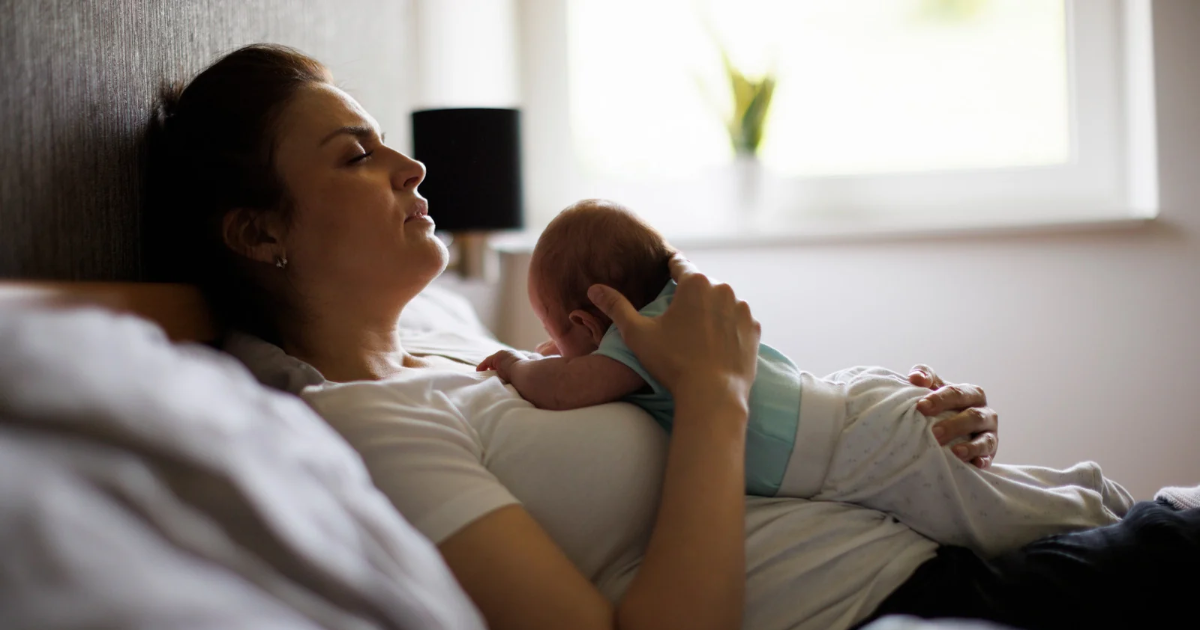
If you've felt a wave of anger since having your baby that seemed far bigger than the moment, you're far from alone. Postpartum rage is intense irritability or anger after giving birth, and it can show up alongside sleep deprivation, postpartum anxiety, or depression. You might snap at your partner, feel overwhelmed by small requests, or become frustrated in ways that don't feel like you. These feelings do not make you a bad mother. Postpartum rage is something you can get help with, and the right support can help you feel more like yourself again.
Key Takeaways
- Postpartum rage involves intense anger, irritability, or frustration after childbirth.
- Hormonal changes, sleep deprivation, stress, and postpartum mood challenges can contribute.
- Postpartum rage can occur with or without postpartum depression.
- Practical coping strategies and professional support can help.
- You do not have to wait until things feel unbearable to ask for help.
Table of Contents
- What Is Postpartum Rage?
- What Are the Symptoms of Postpartum Rage?
- Why Am I So Angry After Having a Baby?
- When Does Postpartum Rage Start and How Long Does It Last?
- How Can You Cope With Postpartum Rage in the Moment?
- How Can Your Village Help?
- Frequently Asked Questions
What Is Postpartum Rage?
Postpartum rage is intense anger, irritability, or frustration that develops after having a baby. It can feel like an emotional reaction that comes out of nowhere or is much bigger than the situation seems to warrant.
Maybe your partner asks a simple question, and you feel ready to explode. Perhaps the baby has been crying for twenty minutes, someone leaves a dish in the sink, or another person offers unsolicited parenting advice. Suddenly, your frustration feels impossible to contain.
You might recognize yourself in these moments but feel confused because you expected postpartum struggles to look more like sadness or crying. Postpartum anger can be part of the broader experience of perinatal mood and anxiety disorders (PMADs), which can affect emotional well-being during pregnancy and after childbirth.
Postpartum rage is not a formal diagnosis by itself. It is a term used to describe an experience that deserves attention, understanding, and support.
You are not failing at motherhood because you feel angry. You are experiencing something that deserves care rather than judgment.
What Are the Symptoms of Postpartum Rage?
Postpartum rage symptoms can include sudden anger, intense irritability, frequent frustration, and difficulty calming down after becoming upset. The feelings may be directed toward a partner, family members, other children, or even yourself.
Some common experiences include:
- Short temper: Small inconveniences trigger unusually strong reactions.
- Sudden outbursts: You yell, snap, or say things you normally wouldn't.
- Constant irritability: You feel annoyed by noise, interruptions, questions, or everyday responsibilities.
- Feeling touched out: Physical contact, including holding or feeding the baby, feels overwhelming.
- Resentment: You feel angry that other people get breaks while you carry much of the responsibility.
- Guilt afterward: You feel ashamed or upset about how you reacted.
- Difficulty relaxing: You remain tense or frustrated even when things become quieter.
Not every mother experiences postpartum rage in the same way. Some women have noticeable outbursts, while others feel a steady undercurrent of anger that makes everyday interactions difficult.
You may also notice anxiety, sadness, racing thoughts, or feelings of disconnection. If these symptoms are affecting your daily life, it is worth talking with a healthcare provider.
Why Am I So Angry After Having a Baby?
Postpartum anger can develop from a combination of physical changes, emotional stress, sleep deprivation, and the enormous adjustment of caring for a newborn. Often, there isn't one single reason you feel this way.
Here are some common contributors.
Hormonal Changes
Hormonal changes after childbirth can affect your emotional well-being. Estrogen and progesterone levels drop significantly after delivery, while your body adjusts to the demands of recovery, breastfeeding, and caring for a newborn.
These changes may contribute to mood shifts and emotional sensitivity. However, hormones are only one possible part of the picture.
Sleep Deprivation
Sleep deprivation can make it much harder to manage frustration and regulate emotions. When you are waking every few hours, recovering physically, and trying to meet a baby's needs, even small challenges can feel enormous.
You might find yourself getting angry over something that normally wouldn't bother you. That doesn't mean you have lost your patience as a person. Your body and mind need rest.
Research supports the connection between sleep and postpartum anger. A 2022 study published in BMC Pregnancy and Childbirth examined postpartum anger in 278 Canadian mothers with infants between six and twelve months old. Researchers found that 31% reported intense anger, and poorer maternal sleep quality was associated with greater anger.
The study also found that intense anger did not always occur alongside probable depression. This matters because a mother can struggle with significant anger even when she does not identify with the typical picture of postpartum depression.
Feeling Overwhelmed and Unsupported
The transition into motherhood can change nearly every part of your daily life. You may be managing feeding schedules, household responsibilities, appointments, recovery, and the constant needs of a new baby.
You might also feel frustrated when your partner returns to work, family members offer advice instead of help, or you feel responsible for remembering everything. When your needs keep getting pushed aside, resentment can build.
Sometimes anger is a signal that you need more support, more rest, or a more balanced division of responsibilities.
Postpartum Anxiety or Depression
Postpartum anxiety and depression can include irritability, frustration, and anger. You might feel constantly on edge, worry that something bad will happen, or struggle to relax even when your baby is sleeping.
Postpartum depression does not always look like sadness. Some mothers experience anger, emotional numbness, or feeling disconnected from the people around them.
If your emotions feel difficult to manage, you deserve support even if you don't recognize yourself in the common descriptions of postpartum depression.
When Does Postpartum Rage Start and How Long Does It Last?
Postpartum rage can begin in the early weeks after childbirth or develop later during the first postpartum year. There is no single timeline, and the duration depends on the factors contributing to the anger and the support available.
Some mothers notice irritability soon after delivery. Others begin experiencing intense frustration months later, especially when ongoing sleep disruption, feeding challenges, or increasing parenting demands start to take a toll.
You may hear about the baby blues, which commonly involve temporary mood changes during the first two weeks after childbirth. However, persistent or intense anger should not automatically be dismissed as part of normal postpartum adjustment.
If postpartum rage continues, becomes more intense, or interferes with your relationships and daily life, talk with your healthcare provider. You do not need to wait until your baby reaches a certain age or until you feel completely overwhelmed to get help.
With appropriate support, many parents begin to feel better. The important thing is to recognize what is happening and find help that addresses your individual needs.
How Can You Cope With Postpartum Rage in the Moment?
You can manage a moment of postpartum anger by creating a little space, reducing immediate stimulation, and giving yourself time to settle before responding. Small steps can make a difference when your emotions feel bigger than your ability to manage them.
Try these practical strategies:
- Pause before responding. When you feel anger building, stop what you are doing if it is safe. Take a few slow breaths and give yourself a moment before continuing the conversation or activity.
- Put the baby somewhere safe. If you feel overwhelmed while holding your baby, place your baby on their back in a safe, empty crib or bassinet. Step away briefly to calm down. Never shake a baby, even in a moment of frustration.
- Ask someone to take over. Tell your partner, family member, or trusted support person that you need a break. You do not have to explain everything perfectly. Saying, "I'm overwhelmed, and I need you to take the baby for a few minutes," is enough.
- Lower your expectations. Your home does not need to be perfect, and every household task does not need to get done today. Focus on the essentials and allow yourself to let other things wait.
- Identify your triggers. Notice when anger tends to happen. Is it during nighttime feedings, when the baby cries, when you haven't eaten, or when too many people need something from you? Recognizing patterns can help you plan for difficult moments.
- Make room for basic needs. Eating regularly, drinking water, resting when possible, and accepting help are important parts of caring for yourself. These steps will not solve every emotional challenge, but they can make an exhausting day more manageable.
When Should You Seek Immediate Help?
If you feel you might hurt yourself or your baby, put your baby in a safe place, step away, and ask a trusted adult to help immediately. Call 911 or go to the nearest emergency department if there is immediate danger.
Seek urgent medical help if you experience hallucinations, unusual beliefs that feel completely real to you, severe confusion, or other sudden changes in your ability to understand what is happening. These symptoms can be signs of a serious postpartum mental health emergency.
You can also use these confidential resources:
- 988 Suicide & Crisis Lifeline: Call or text 988 for free, confidential crisis support, available 24 hours a day.
- National Maternal Mental Health Hotline: Call or text 1-833-852-6262 for free, confidential support for pregnant and postpartum mothers, available 24/7.
- Postpartum Support International: Call 1-800-944-4773 or text HELP to 800-944-4773 for information, encouragement, and referrals. This is a support line, not an emergency service.
Asking for help is not a sign that you are failing. It is an important step toward keeping you and your baby safe and supported.
How Can Your Village Help?
Your Village can help by connecting you with support that addresses your emotional well-being and the practical challenges of early parenthood. You deserve care that recognizes you as a person, not just as your baby's caregiver.
Sometimes, talking with someone who understands the postpartum experience can make it easier to explain what you are feeling. You may need individual therapy, help with feeding challenges, nutritional support, or practical strategies for managing the demands of a new baby.
Your support needs may also change as your baby grows. What feels overwhelming during the newborn stage may look different several months later.
At Your Village STL, we believe parents deserve support throughout the transition into parenthood. Our therapy for moms services provide an opportunity to talk through difficult emotions, explore what may be contributing to your stress, and find strategies that fit your life.
Frequently Asked Questions
Is Postpartum Rage Normal?
Postpartum anger is an experience many mothers report, and feeling angry does not make you a bad parent. However, intense, persistent, or difficult-to-control anger deserves attention and support. You do not have to simply accept feeling this way as part of motherhood.
Is Postpartum Rage a Sign of Postpartum Depression?
Postpartum rage can occur alongside postpartum depression, but the two are not the same thing. Some mothers experience intense anger without meeting the criteria for postpartum depression. A healthcare provider can help you understand your symptoms and determine what kind of support may help.
How Long Does Postpartum Rage Last?
Postpartum rage does not have a set duration. Some mothers notice improvement as sleep and daily routines become more manageable, while others need additional support to address ongoing emotional challenges. If anger persists or affects your relationships and daily life, reach out to a healthcare provider.
Can Postpartum Rage Affect My Relationship?
Yes, frequent irritability, outbursts, and resentment can create tension between partners, especially when both parents are adjusting to new responsibilities. Honest communication, shared responsibilities, and appropriate professional support can help couples navigate this transition together.
When Should I Talk to a Doctor About Postpartum Anger?
Talk to a healthcare provider if anger feels difficult to control, happens frequently, or interferes with your relationships and ability to enjoy everyday life. You can also ask for help if you feel anxious, overwhelmed, or unlike yourself. If you are concerned about your immediate safety or your baby's safety, seek emergency help right away.
About Your Village STL
Your Village STL is a family wellness practice in Chesterfield, Missouri, supporting families from pregnancy through childhood. The multidisciplinary team offers family and individual support, lactation care, nutrition, sleep consulting, and pediatric therapies, helping parents find care for themselves and their children in one place.
You deserve support, too. If anger has been showing up more than you'd like since your baby arrived, you don't have to work through it alone. The Your Village STL team supports new parents with individual support, lactation care, nutrition, and more. Reach out to Your Village STL to schedule a time to talk.